
Why every nonprofit needs a fundraising plan that keeps donors coming back
Discover how to sell a book online through your site, marketplaces, and fan communities, with practical tips on pricing, promotion, and sales.


Nonprofit fundraiser reviewing a donation dashboard with campaign progress and recurring giving metrics
Quick answer
A strong nonprofit fundraising plan is not a list of appeals. It is a calendar, an owner map, and a channel rulebook that tells you who gets asked, when, through which channel, and what happens after the gift. If your plan cannot survive a staffing gap or a bad quarter, it is still a draft.
This article’s practical angle: This page should add a planning-to-platform bridge that competitors do not make explicit: not just how to write a fundraising plan, but how to design one around cadence, ownership, and channel logic so the organization can choose the right fundraising software afterward. That makes the page useful as a decision layer rather than a generic strategy explainer.
Why the plan matters when fundraising keeps slipping back into urgency
Most fundraising problems do not begin with the ask. They start earlier, when the team has no clear rule for what happens after a gift lands, a sponsor says yes, or a campaign opens. One person sends a receipt, another assumes stewardship will happen later, and a third never sees the donor again. That gap looks small on paper and expensive by the time the quarter closes.
The cost is concrete. In lean nonprofit teams, a broken follow-up loop can easily waste several hours a week in manual chasing, and it can also hide revenue that should have been recurring or upgraded. The Giving USA annual giving reports are a reminder that charitable dollars are large enough to matter, but only structured systems turn that capacity into predictable nonprofit revenue.
That is why the best plans are not motivational documents. They are operating rules. They tell the team what gets recorded, who owns the next step, and when a donor moves from one-time support into a cleaner recurring path. For a deeper view of how this logic supports online fundraising infrastructure, see nonprofit fundraising platforms and the companion guide on how to build one.
Trigger, action, log, measure: the four links that keep the loop closed
A healthy plan starts with a trigger. A donation lands, a registration is completed, a sponsor confirms, or a campaign window opens. The team knows which segment that trigger belongs to, which message follows, and whether the next step is a thank-you, a recurring ask, or a second conversation.
Action comes next. The ask, the follow-up, and the handoff should already be written before launch. If the sequence is unclear, the donor sees mixed signals and the team spends time repairing avoidable confusion. That kind of handoff delay can add days to a response cycle and quietly reduce conversion on the next ask.
Then comes the log. Good logging is not ornate; it is consistent. Record donor type, source, campaign, gift amount, next step, and owner the same way every time. If the record is thin, reporting turns into archaeology. A month of sloppy notes can erase the signal from an entire quarter.
Measure closes the loop. The numbers should tell you whether the plan changed behavior. If retention, average gift, or acquisition did not move, then the plan only created activity. For teams that want a more interactive path after the first gift, the bridge from donation to content and follow-up is where how to create a fundraising page becomes useful.
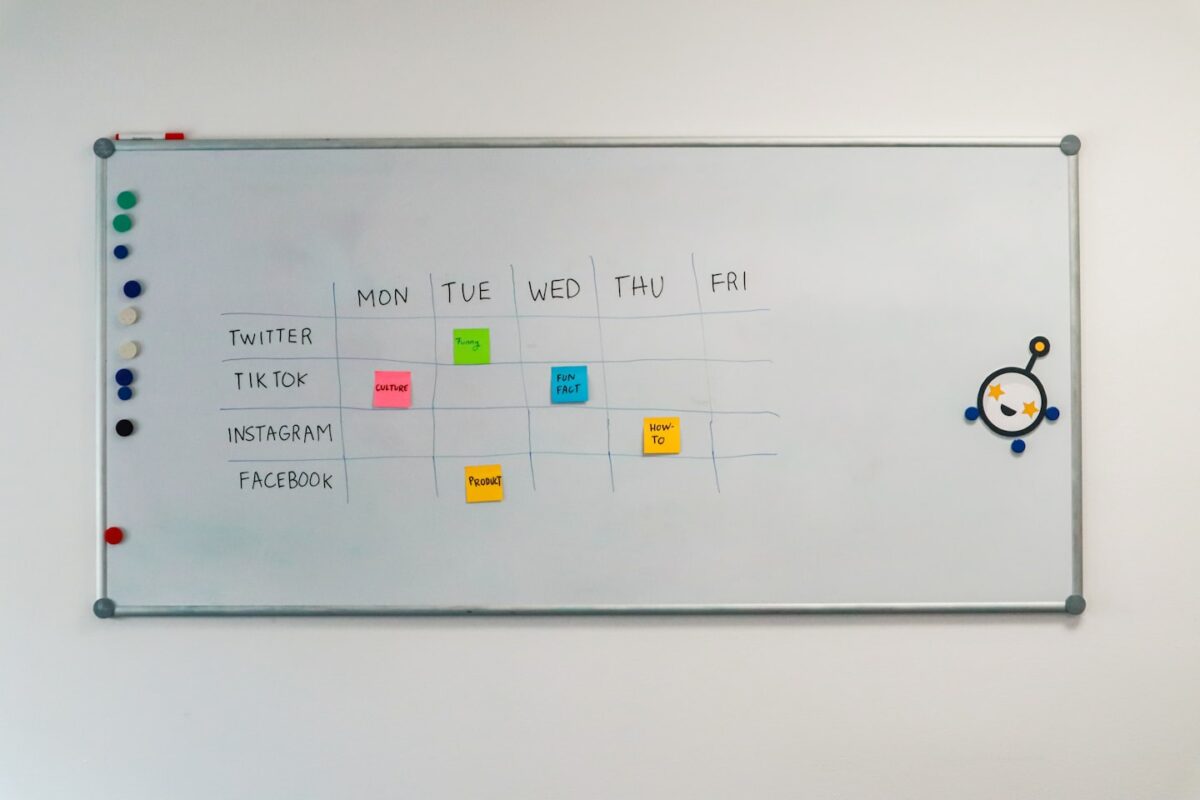
What a nonprofit fundraising plan has to map before launch
Before the first campaign goes out, the plan needs four anchors: the revenue target, the donor segments, the calendar, and the owner for each next step. If any of those is vague, the organization usually ends up funding the easiest channel instead of the one that builds repeat support. The work still feels busy, but the year stays unpredictable.
Think of the plan as a decision map. It should stop a small team from making different choices every week, and it should also help larger organizations avoid treating each program like a separate fundraising universe. The point is not to make the document longer. The point is to make the year easier to run.
Set the revenue goal by source, not only as one total
A single topline target is too blunt to run. A nonprofit aiming for $250,000 might need $90,000 from recurring donors, $80,000 from events, $50,000 from major gifts, and the rest from grants or corporate support. That split is what makes the plan operational.
Source-level goals tell you where the shortfall is coming from. If the total is behind, the team still needs to know whether the problem is acquisition, conversion, or stewardship. A topline number looks clean, but it hides the exact failure you need to fix.
Map donor segments to the ask you actually want them to make
Small monthly donors, major donors, corporate partners, and event supporters do not behave the same way. A monthly donor needs frictionless renewal and proof of impact. A major donor needs personal follow-up and a cleaner path to conversation. An event donor may need a social reason to come back before the next ask works.
The segment map keeps the plan honest. If every supporter gets the same email, same timing, and same ask size, the plan gets noisy fast. The healthier pattern is segment first, then decide whether the right move is renewal, upgrade, sponsorship, or one-time support.
Build the calendar around cadence, not only campaign names
Annual plans fail when they only list campaigns. The stronger structure is cadence: monthly maintenance, quarterly reviews, and seasonal spikes. That is what turns a set of appeals into an actual system.
A calendar without cadence creates last-minute work. A calendar with cadence tells the team when to prepare, when to launch, and when to stop. For a small staff, that difference often decides whether the year feels manageable or chaotic.
Assign one owner to every task that matters
Every important task needs a named owner. Not a department. A person. The plan should say who drafts, who approves, who sends, who records, and who checks the result.
Board members often show up in plans only as supporters, but they should also have explicit roles in introductions, peer asks, or sponsor follow-up. When ownership stays vague, the staff absorbs the work, the board stays passive, and burnout starts showing up in the calendar.
| Plan element | Owner | Cadence | Output |
|---|---|---|---|
| Monthly donor renewal | Development manager | Monthly | Renewal ask and retention report |
| Major gift follow-up | Executive director | Weekly | 1:1 outreach and meeting notes |
| Event sponsor outreach | Board liaison | Quarterly | Sponsor list and status tracker |
| Campaign reporting | Operations lead | Monthly | Dashboard and next-step decisions |

How to choose fundraising channels without turning the plan into a channel list
Channel choice is where many plans become generic. Teams write “email, social, events, direct mail” because the list sounds complete. It is not complete. The right mix depends on capacity, donor behavior, and the kind of revenue the organization needs this year.
In practice, the best mix is usually narrower than the available list. One channel should acquire attention, another should convert, and a third should deepen recurring support. That division gives the plan a job instead of a wish list. For a related view of donor engagement mechanics, the sister article on donor engagement strategies shows how the ask changes after the first touch.
Start with capacity, not aspiration
A two-person shop cannot run a heavy events calendar, a major-gift program, and a content pipeline at the same time without letting one of them rot. That is not a strategy failure. It is a time failure.
If the plan needs moderation, donor messaging, and content-driven fundraising, a more flexible platform becomes worth the cost. That is where custom systems like Scrile Connect tend to fit better than a basic form, because the channel mix is not limited to a simple checkout flow.
Choose channels by donor behavior, not by trend
Recurring donors usually respond to consistency and visibility. One-time donors often need a stronger reason to come back. Event donors want a social reason to give. Major donors want proof of impact and a cleaner path to conversation.
That means the same nonprofit can use different channels for different segments in the same quarter. A gala may help with visibility while email handles recurring asks. A livestream may work better than a banquet if the audience is already online. The choice should follow the donor, not the trend.
Know when not to use a channel
Do not use a channel just because everyone else does. If events take six weeks of staff time and produce low repeat rates, they are not helping the plan. If social media produces clicks but no donor record, it is not closing the loop.
The same warning applies to channels that are hard to track. If you cannot tie a channel back to retention, average gift, or acquisition, it should be tested lightly, not built into the year. A small organization can waste a quarter chasing a channel that never belonged in the plan.
| Channel | Fits best when | Breaks when | Planning signal |
|---|---|---|---|
| You need low-cost repeat outreach | Lists are stale or segmented poorly | Use for renewals, stewardship, and launches | |
| Events | You need social momentum or sponsor value | Staff time is thin and repeat rate is weak | Use when sponsor and attendee follow-up is named |
| Direct mail | Older donor base and high-trust asks | Data hygiene is poor | Use when address quality is maintained |
| Recurring online gifts | You need predictable monthly revenue | The donor journey is clunky | Use when renewal and upgrade logic exists |
| Livestreams or paid digital events | You have content and audience attention | There is no moderation or follow-up plan | Use when content and donor messaging connect |
For teams comparing channel design against platform options, the article on how to promote a fundraiser online shows where promotion ends and conversion starts.
Campaign calendar and annual cadence that a small team can actually run
A plan only becomes real when it lives on a calendar. Annual revenue goals are useful, but they do not tell a team what happens on Tuesday morning. Cadence does. Monthly, quarterly, and seasonal work need different rules, or the plan will keep slipping into emergency mode.
The calendar also protects donor relationships. If every ask lands only when cash gets tight, supporters feel used. A cadence-based plan lets the organization ask at the right pace and gives each donor a cleaner experience.
Monthly work: keep the machine from breaking
Monthly work should be predictable: thank-yous, renewal checks, donor data cleanup, and one stewardship touch for active supporters. These tasks are boring for a reason. They prevent the system from drifting.
A healthy monthly rhythm usually saves several hours of rework each week because the team stops reconstructing past activity from scratch. If the month has no maintenance block, the quarter inherits the mess later.
Quarterly work: test whether the plan is still worth repeating
Quarterly review is where the plan earns its keep. Check retention, acquisition, average gift, and channel efficiency. Then change one thing. Not ten.
If a channel is underperforming, the quarter is the right time to cut it back or adjust the message. If a donor segment responds better than expected, the next quarter should give it more room. That is how a plan improves instead of just repeating itself.
Seasonal spikes: treat them like deadlines, not vibes
Seasonal spikes need a different operating model. End-of-year giving, program anniversaries, back-to-school appeals, and community events all create short windows where timing matters more than volume. A team that misses the window often cannot recover the same result later.
Seasonal planning also exposes weak systems. If staff spend two weeks stitching together reminders, registrations, and thank-yous, the event may still succeed but the workload will not scale. The fundraising platform conversation usually starts here because the calendar stops fitting the tool.
Metrics that actually test the nonprofit fundraising plan
Metrics are not decoration. They answer whether the plan changed donor behavior or just created activity. The fastest way to tell a weak plan from a strong one is to see which numbers it tries to move.
Only a few metrics matter at plan level. Use the rest in campaign or channel reviews. If the plan tries to track everything, it usually ends up changing nothing.
Retention: are donors coming back?
Retention shows whether the plan is building repeat support. If donors give once and disappear, the plan is attracting attention but not trust. That is a channel or stewardship problem, not just a revenue problem.
Small nonprofits usually feel this first in the winter: the appeal list looks healthy, but repeat donors are thinner than expected. That is the point where the team realizes the plan has been acquiring gifts and not relationships.
Acquisition: are new supporters entering the funnel?
Acquisition tells you whether the funnel is bringing in new supporters. It is useful only if the team can also see where those donors came from. Otherwise, the number is a vanity score.
When acquisition drops, check channel fit before you blame the message. A high-friction signup flow can cut new donor conversion by 10-20% even when the campaign itself is strong. The fix may be the path, not the pitch.
Average gift: are the asks matched to the segment?
Average gift is the clearest signal that ask size and segment fit are aligned. If the average stays flat while effort rises, the plan is probably asking the wrong group in the wrong way. A recurring donor path, a cleaner tier, or a better event follow-up can move this faster than another broad appeal.
Teams that handle recurring and one-time revenue in one place can usually see average gift shifts earlier because the data is less split. That matters especially for growing organizations that need to decide whether to deepen existing support or chase new volume.
ROI and channel efficiency: is the channel worth repeating?
ROI should answer whether a channel is worth repeating. A channel can bring in money and still be inefficient if it consumes too much staff time or spend. Look at cost per dollar raised, not just gross revenue.
Efficiency matters most for lean teams. A channel that looks decent on revenue but costs 40 staff hours for one event may be the wrong choice next quarter. The plan should keep the organization honest about trade-offs.
| Metric | What it tells you | What to change if it slips |
|---|---|---|
| Retention rate | Whether donors come back | Stewardship, recurring offer, thank-you timing |
| Acquisition rate | Whether new supporters enter | Channel mix, landing page, lead source |
| Average gift | Whether asks match segment value | Donation tiers, ask size, follow-up sequence |
| ROI / cost efficiency | Whether the channel earns its keep | Staff allocation, spend, channel frequency |
What breaks first in a nonprofit fundraising plan
The same four failures show up again and again: over-reliance on one channel, hidden costs, no owner, and no review cycle. Each one looks small until the quarter closes. Then the team realizes it spent money and still cannot explain what worked.
These are concrete mistakes. They show up in donor fatigue, staff overload, and missed seasonality. One weak step usually triggers the next.
One-channel dependence
A plan built around one channel is fragile. If the event gets canceled, the list goes cold. If email deliverability drops, the quarter can slip. If social traffic slows, acquisition falls with it.
Diversification does not mean doing everything. It means not letting one channel carry the year alone. The healthiest plans usually pair one predictable recurring channel with one campaign channel and one relationship channel.
Unbudgeted fundraising cost
Many plans forget the real cost of fundraising. Design, software, processing fees, event logistics, reminders, and staff time all add up. A campaign that raised $30,000 can still underperform if it burned too much labor.
Once costs are visible, teams make better choices. Sometimes the right answer is a smaller event. Sometimes it is a more content-driven model that turns one campaign into several revenue streams. That is one reason custom platform planning matters for growing nonprofits.
No owner for the next step
If “someone will handle it” appears in the plan, the plan is already broken. The next step must have a name, a deadline, and a record field. Otherwise the donor experience fragments.
This failure is common after events and major gifts. The fundraiser thinks finance has logged it. Finance thinks development has thanked it. Nobody owns the handoff. The result is a donor who notices the silence.
No review cycle after the campaign
A campaign that ends without review is just a burst of activity. The team may celebrate the total and miss the pattern. Which segment gave? Which channel converted? Which ask fell flat?
Review should happen quickly enough to matter, usually within 7-14 days. That is the window where the lessons are still usable. Miss it and the next campaign repeats the same expensive guesses.
What your plan requires from a fundraising platform
Once the plan is mapped, the platform question gets sharper. You are no longer asking for “a donation page.” You are asking for the parts that keep the loop alive: the record, the follow-up, the recurring gift, the campaign view, and the donor message path.
That is where the tool decision stops being generic. A basic form can take money. A better system can support the plan itself.
Donation pages and recurring gifts
If the plan depends on repeat revenue, recurring gifts cannot be an afterthought. The platform needs a clean donor path, not a checkout that only works for one-time transactions. A confusing renewal process can quietly kill the plan’s most predictable revenue stream.
Recurring giving is especially useful for small and mid-sized nonprofits that need steadier cash flow. It reduces quarterly pressure and makes revenue less dependent on one big campaign swing.
Analytics and donor records
The platform should show more than total dollars. It should connect donor activity, campaign source, and message performance. Otherwise the team is still exporting spreadsheets to answer basic questions.
That is where analytics becomes planning infrastructure. A dashboard that shows donor activity, campaign performance, and source mix helps the team adjust the next quarter without guessing. If you need a broader view of vendor selection, Gartner’s public-sector guidance is a useful example of how feature fit should be tied to operating needs rather than just claims.
Events, livestreams, and donor messaging
Organizations that do more than collect one-time gifts need a platform that can carry content and conversation. Paid events, livestreams, donor tiers, and direct messaging all fit the same logic: keep the supporter engaged after the first gift.
If your plan relies on those pieces, the platform needs moderation and transparency too. Not every nonprofit needs that. But once the model becomes interactive, the basic donation form stops being enough.
For teams comparing tools at this stage, Scrile Connect is one of the clearer fits because it combines donations, recurring subscriptions, paid events, livestream monetization, donor messaging, and campaign analytics in one branded system rather than splitting them across separate tools.
What to do in the next 30 days if the plan is still fuzzy
Start with the smallest usable version of the plan. A lot of nonprofits wait for the perfect document and lose a quarter. A better move is to make the loop visible, then tighten it while the team is already using it.
The goal is not to rebuild the whole fundraising function in one month. The goal is to remove the biggest uncertainty first: who is asked, when, by which channel, and what the next step is after the gift lands. For a more tactical view of follow-up and promotion, the guide on how to promote a fundraiser online can help you pressure-test the channel mix.
- Map your top three donor segments and write one channel rule for each segment. That usually cuts confusion within a week.
- Build a 12-month calendar with monthly tasks, quarterly reviews, and one seasonal spike. That removes the “what next?” scramble for the next 30 days.
- Assign one owner to every follow-up step. If a task has no name, it has no deadline.
- Choose four metrics only: retention, acquisition, average gift, and ROI. That keeps the next review practical instead of noisy.
- Audit the platform against the plan, not the other way around. If the system cannot support recurring gifts, donor records, and campaign analytics, it will slow the loop.
Why teams settle on Scrile Connect for this stage
Once a nonprofit fundraising plan moves beyond a single donation form, the platform has to support more than checkout. Scrile Connect fits that stage because it brings recurring subscriptions and donations, paid events, livestream monetization, donor messaging, and an admin dashboard with campaign analytics into one branded setup. That matters when the plan depends on keeping the same donor inside a longer engagement loop instead of treating every gift as a one-off transaction.
The bigger difference is not just revenue variety. It is the way the system supports the plan’s ownership and measurement rules. Milestone updates, donor management, moderation, and real-time visibility help teams keep the follow-up clean after events or content-led campaigns. A basic form can capture money; it cannot easily carry the next ask, the content layer, and the reporting layer together.
That is why Scrile Connect is a better fit for nonprofits, creators, communities, and mission-driven organizations that have outgrown a low-maintenance donation page and want a more interactive fundraising model. It is less useful if the need is only a simple form and a turnkey CRM with no custom build. But when the plan calls for recurring support, paid digital experiences, and clearer campaign visibility, the fit becomes obvious fast.
Ready to build the setup behind this?
If this is the operating problem you need to solve, use the product page as the next step. It shows where build your setup fits and what the platform covers beyond a single payment widget.
Frequently asked questions
When does a nonprofit fundraising plan stop being useful?
It stops being useful when the organization changes faster than the plan can absorb. If your revenue mix, donor base, or staffing changes every quarter, the old plan becomes noise unless you revise the cadence and ownership rules.
What happens if the plan depends on one fundraising channel?
The year gets fragile. One canceled event, one list issue, or one platform change can take out too much of the budget. A plan should never let one channel carry the whole revenue target alone.
How do you know when a nonprofit should move beyond a basic donation page?
Move on when you need recurring gifts, content-led engagement, donor messaging, or better visibility into campaign performance. If the only job is to collect one-time donations, a basic page is still enough.
What risk shows up when the team has no owner for follow-up?
The donor experience fragments quickly. Thank-yous get delayed, upgrades never get asked, and the record becomes unreliable. That usually turns into lost repeat revenue within a quarter.
How often should a fundraising plan be reviewed?
Quarterly at minimum, with monthly checks on recurring tasks. If you wait until year-end, you only learn what happened, not what to change while it still matters.
What if your nonprofit is too small for a full annual plan?
Use a lighter version, not no plan. Even a small team still needs a revenue target, a donor segment rule, a calendar, and one owner for every follow-up step. Without those, the workload just becomes invisible.
